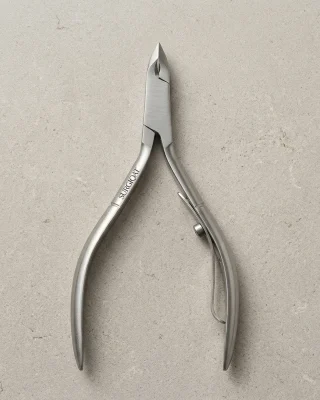
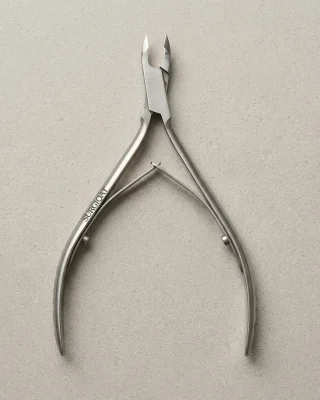
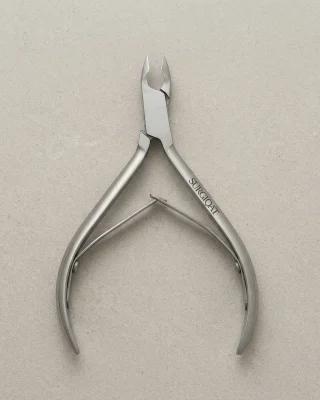
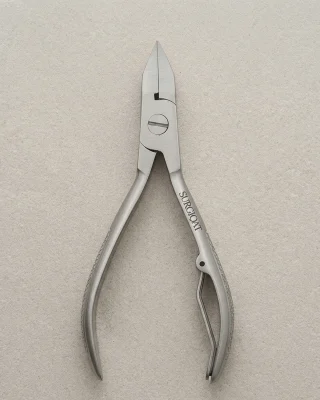
Why Salon Pros Return Poorly Made Cuticle and Toenail Nippers
In professional nail supply reviews and salon forums, poorly finished cuticle and toenail nippers generate higher return rates than almost any other manicure implement. That is because a nipper combines three demanding mechanical elements in one compact tool: razor-flush meeting jaws, a load-bearing pivot joint, and a responsive return spring. Shortcuts in any one area show up immediately:
Tugging and Tearing Hangnails Instead of Clean Cuts: Misaligned blades with microscopic tip gaps chew delicate dead cuticle skin rather than severing it in a single effortless snip—risking painful nicks and bleeding.
Wobbly Joints Under Thick Toenails: Loose rivets or thin lap joints flex sideways when biting through thick, bowed, or hard toenails, letting the blades slip past each other and splinter the nail edge.
Weak Springs That Pop Out or Stiffen Up: Poorly anchored single or double leaf springs lose bounce quickly, detach during ultrasonic or liquid disinfection, or require tiring squeeze force across eight-hour shifts.
Premature Dulling and Joint Rust: Soft stamped alloys lose their sharp bite after just a few dozen appointments and develop orange rust spots inside the pivot hinge after repeated EPA-registered disinfectant soaking.
Sourcing a nail nipper built from surgical grade steel with manual piece-by-piece jaw inspection eliminates these failure points and earns steady repeat orders from demanding salon technicians.
Why Thick Toenails Require True Nipper Force Over Standard Clippers
When clients present thick, curved, or hard toenails, standard lever-action pocket clippers often lack the jaw opening and mechanical force to trim cleanly without crushing the nail plate. A dedicated heavy-duty nail nipper gives pedicure technicians controlled cutting force, clear visibility right to the tip corner, and clean straight-across trimming power.