Are Your Salon Tools Outdated? Upgrade to 2026 Standards
A Manufacturer’s Blueprint for Excellence in the modern grooming era.
The professional grooming industry is entering a new epoch. As we look toward 2026, the definition of a “standard” salon tool is being rewritten by material science, ergonomics, and heightened client expectations.
In the fast-paced world of professional hair styling and barbering, your salon tools are an extension of your artistic intent. However, as techniques evolve and client demands for precision and safety reach new heights, the equipment that served you well yesterday may be the very thing holding you back today.
The Demands of 2026
Hygiene & Safety
Tools must withstand rigorous sterilization protocols without degradation. Corrosion resistance is no longer a luxury—it’s foundational.
Precision Control
Expanded techniques require unerring accuracy. Professionals need tools that offer fluid movement for complex, personalized styles.
The Hidden Costs of Aging Equipment
Outdated tools do more than just slow you down—they compromise your health and your brand.
Professional Well-being
Stylist Strain & Injury
Poorly balanced tools cause chronic pain like carpal tunnel and tendonitis, potentially leading to early retirement.
Service Quality
Compromised Results
Dull blades lead to split ends and uneven cuts, causing client dissatisfaction and irreparable brand churn.
Inefficiency
Constant sharpening slows down service times and bites into your daily profitability.
Hygiene Risks
Substandard materials create microscopic havens for bacteria as they degrade over time.
Image Loss
Inferior tools project an image of carelessness to high-paying, discerning clients.
Core Pillars of 2026-Ready Tools
Material Science
Utilization of high-carbon stainless steels like Japanese VG-10 and specialized German alloys for extreme hardness.
Cryogenic Tempering
Advanced heat treatment that rearranges molecular structures for unprecedented edge retention and flexibility.
Anatomic Ergonomics
Design focused on the natural resting position of the hand, minimizing operational effort and repetitive motion strain.
SurgiQAT’s Manufacturing Blueprint
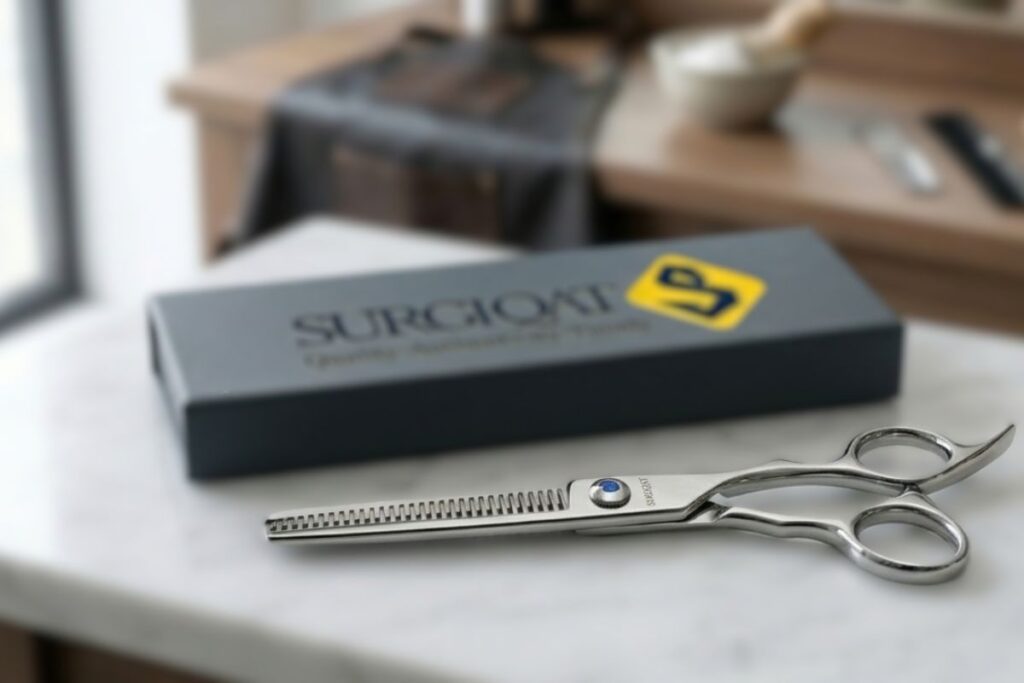
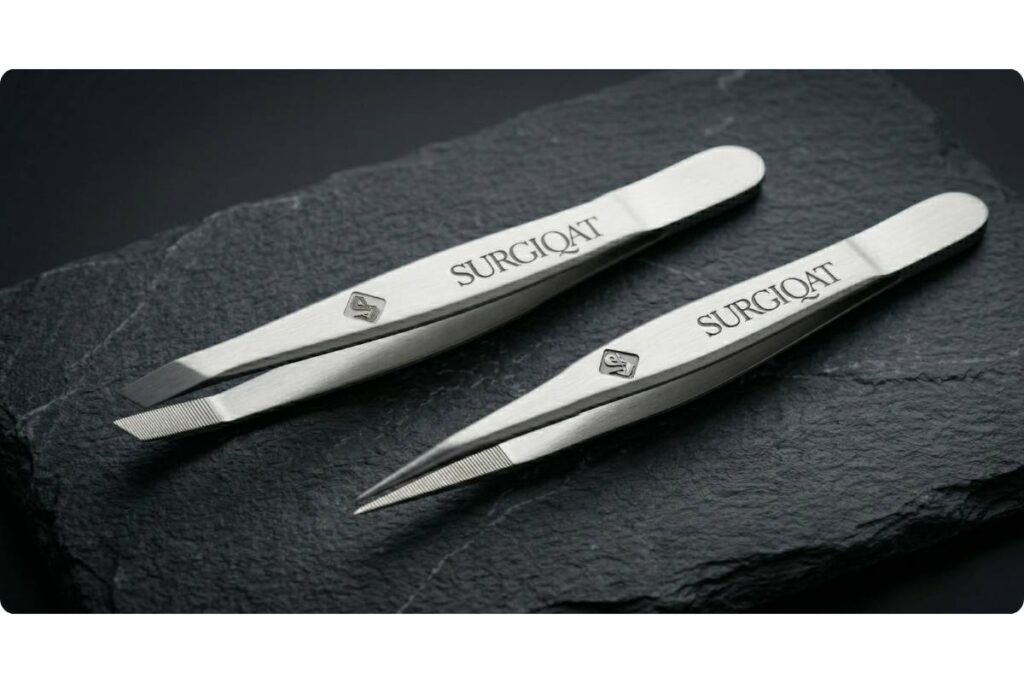
At SurgiQAT, we bridge the gap between ancient metallurgical tradition and modern surgical precision. Our 2026 blueprint focuses on five critical manufacturing standards:
- Premium Japanese & German Steels (VG-10, ATS-314)
- Microscopic Quality Control Protocols
- Anatomically Contoured Handles
- Traditional Hand-Forged Craftsmanship
The Professional ROI
| Benefit Area | Value Proposition |
|---|---|
| Client Experience | Superior precision leads to loyalty and increased referral rates. |
| Career Longevity | Reduced physical strain extends your working years by a decade or more. |
| Efficiency | Fewer sharpenings and faster service times increase daily client throughput. |
| Long-Term Cost | Precision-engineered tools reduce the need for frequent, low-quality replacements. |